
Can games about sustainability be fun? Many games about sustainability feel like textbooks with points. We wanted to make a game where you learn about nature and resources because you want to solve the puzzle – not because someone tells you to. Here is what we learned along the way.
Why most games about sustainability are boring
When we asked young people aged 18 to 29 what makes them keep playing, the answers were clear: clear goals, visible progress, exploration and puzzles. Nobody asked for long explanations. When a game about sustainability starts with a text box about CO₂, it loses the player before the adventure has begun.
Learning through action
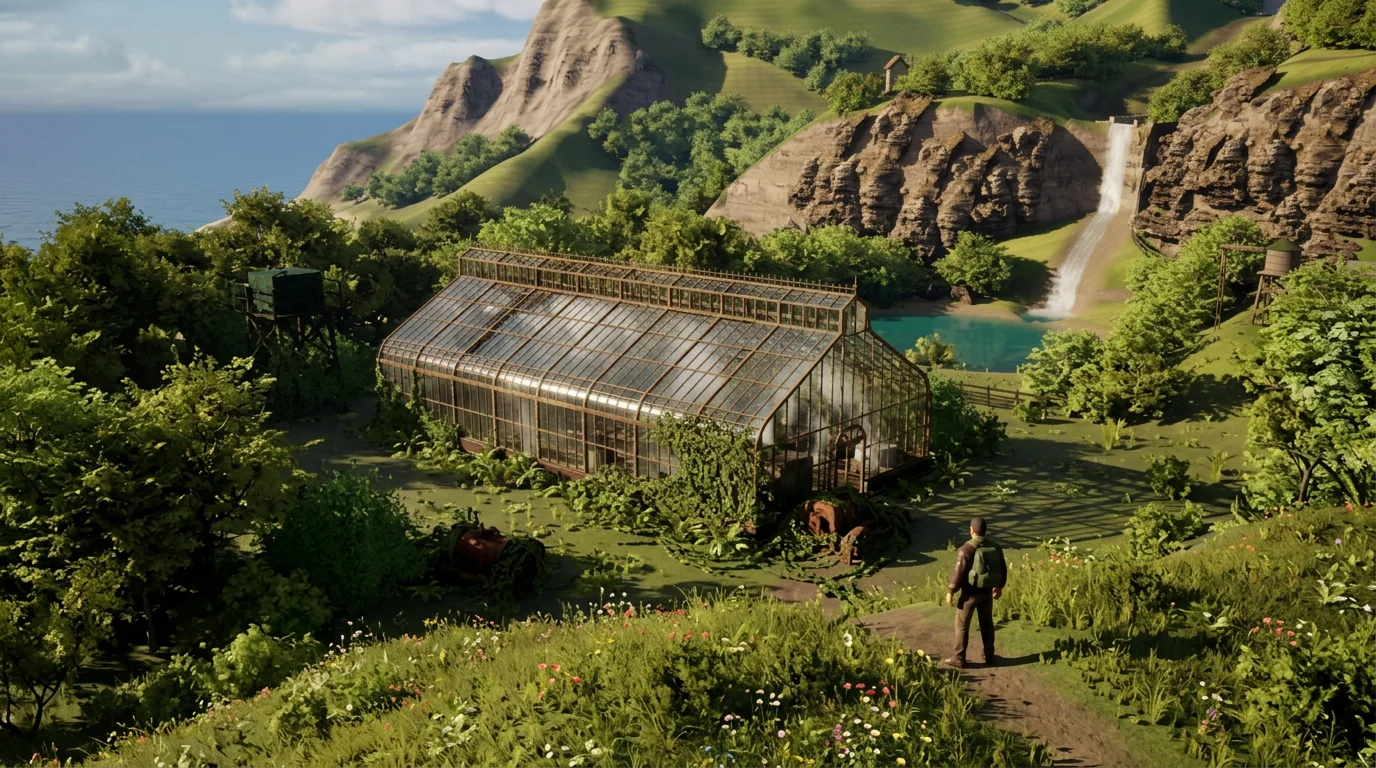
In The Final Invention you learn by doing. You are stranded on a deserted island, and to get home you have to repair Professor Elias Greenfield’s five inventions. To clean the water you need to understand how a filter works. To get power you need to place the solar panels correctly. Knowledge becomes a tool, not an exam.
Puzzles about real problems
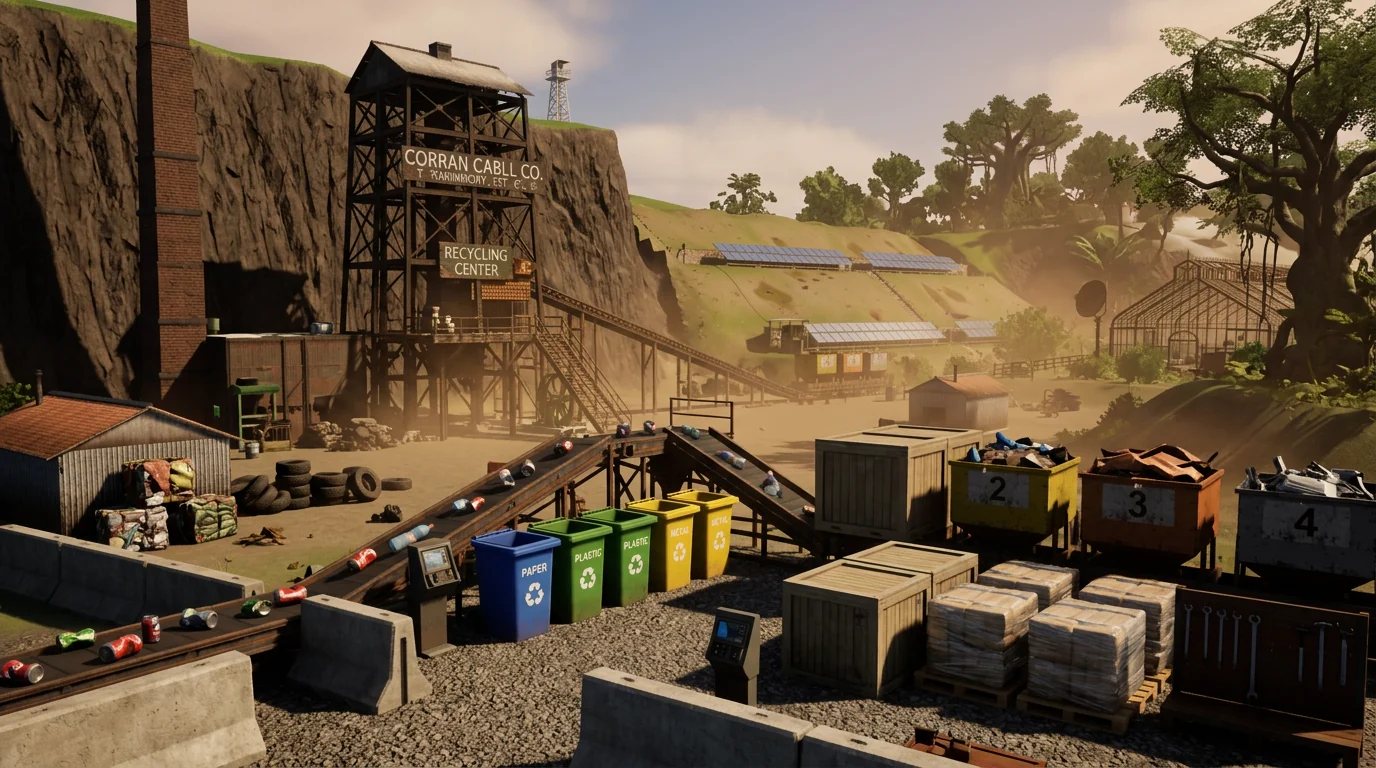
All five inventions are linked to real challenges: clean water, renewable energy, recycling, food production and nature. They connect to the UN Global Goals, and on our page about the Global Goals in the game you can see which targets each invention builds on. To learn more about the goals themselves, visit sdgs.un.org.
Three tips for good games about sustainability
- Let the player act. Show the consequence of a choice instead of explaining it.
- Make the goal clear. “Get home from the island” motivates more than “learn about resources”.
- Reward curiosity. Hide knowledge in the environment so it becomes a discovery.
Try it yourself
The Final Invention is our take on how games about sustainability can be real adventures. Read more about the adventure puzzle game, or find it in the shop.